2015 · Article · J Exp Psychol Hum Percept Perform · Theories tested
On the independence of visual awareness and metacognition: a signal detection theoretic analysis
Bears on a current study Abstract only
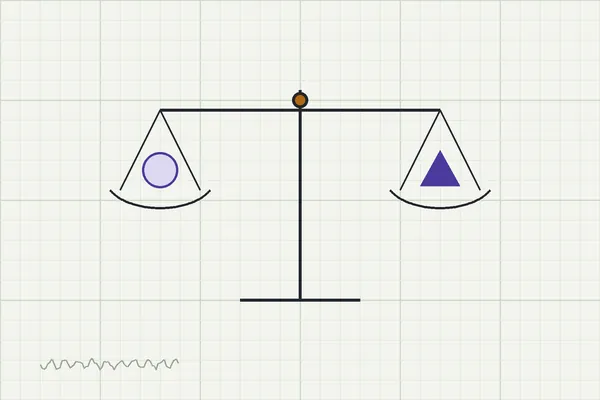
Awareness strongly raised perceptual sensitivity but changed metacognitive sensitivity much less.
Does knowing whether you are right (metacognition) depend on being aware of the stimulus? People judged the tilt of a masked, near-threshold grating, then reported awareness and confidence on every trial. Awareness strongly raised perceptual sensitivity but changed metacognitive sensitivity much less.
Data and method
Three experiments; type-1 (perceptual) and type-2 (metacognitive) sensitivity by awareness level. Data are in the Confidence Database.
Results
Awareness strongly raised perceptual sensitivity but changed metacognitive sensitivity much less.
Limits
Small samples; binary awareness; no stimulus manipulation; abstract only read here (paywalled).
What we do with it
The single-study version of our planned metacognition test, so its data cannot be reused as new evidence. Our test needs a simulated signal-detection null because rating-defined 'unseen' trials are biased.
Read the original (doi:10.1037/xhp0000026). Source checked against the original.